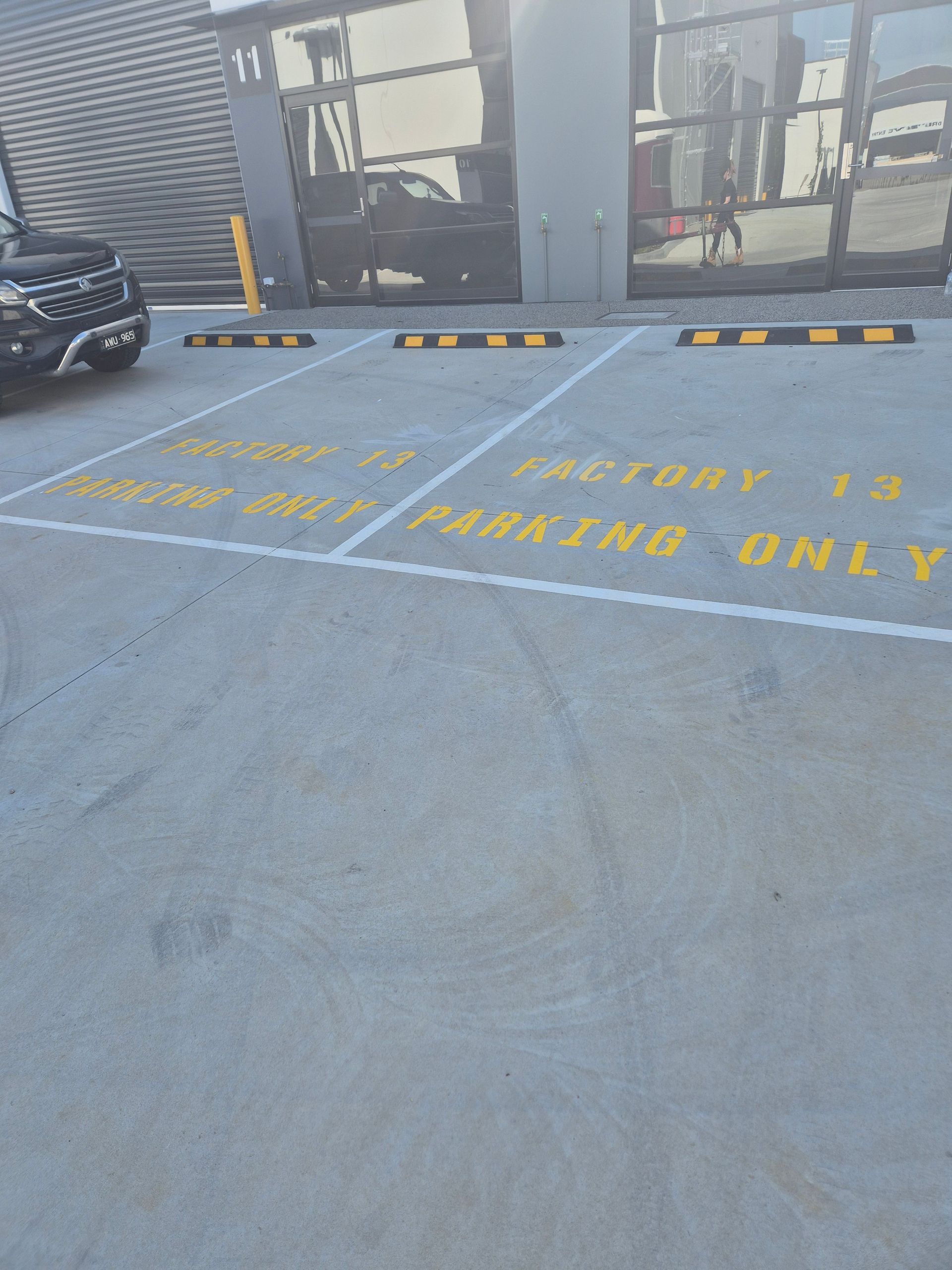
Line Marking Standards for Car Parks in Cardinia Shire Council:
When planning and executing line marking for car parks within Cardinia Shire Council, it's important not just to make the area look orderly — you need to meet established standards for safety, accessibility, and legal compliance. Below, we break down the key line-marking standards relevant to car parks in Cardinia, based on Australian national standards and local Council guidance.
1. Australian Standards for Car Park Line Marking
At the heart of any compliant car park design are the AS/NZS 2890 standards:
AS 2890.1 sets out requirements for general car park layout, bay dimensions, line widths, and pavement marking.
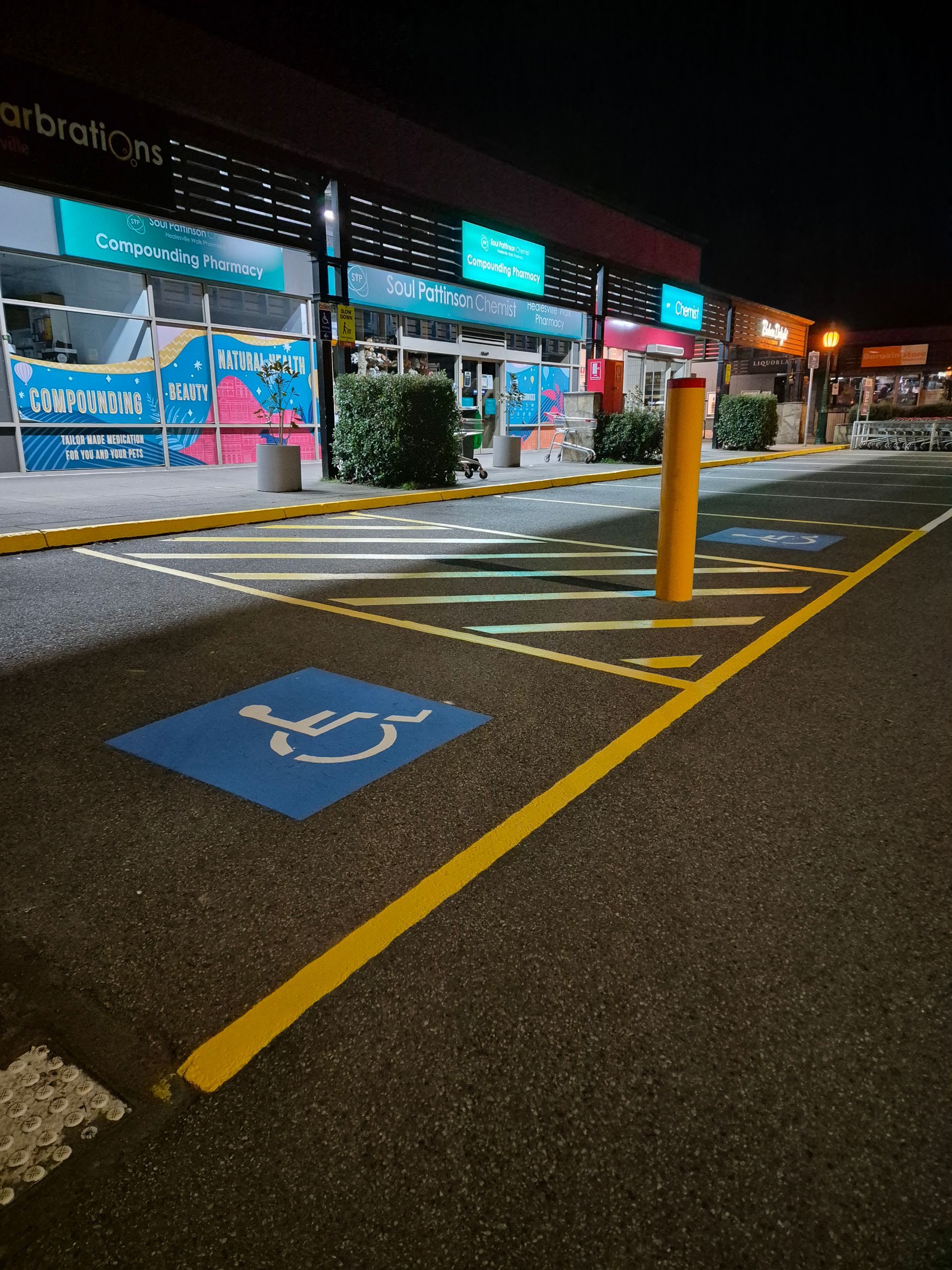
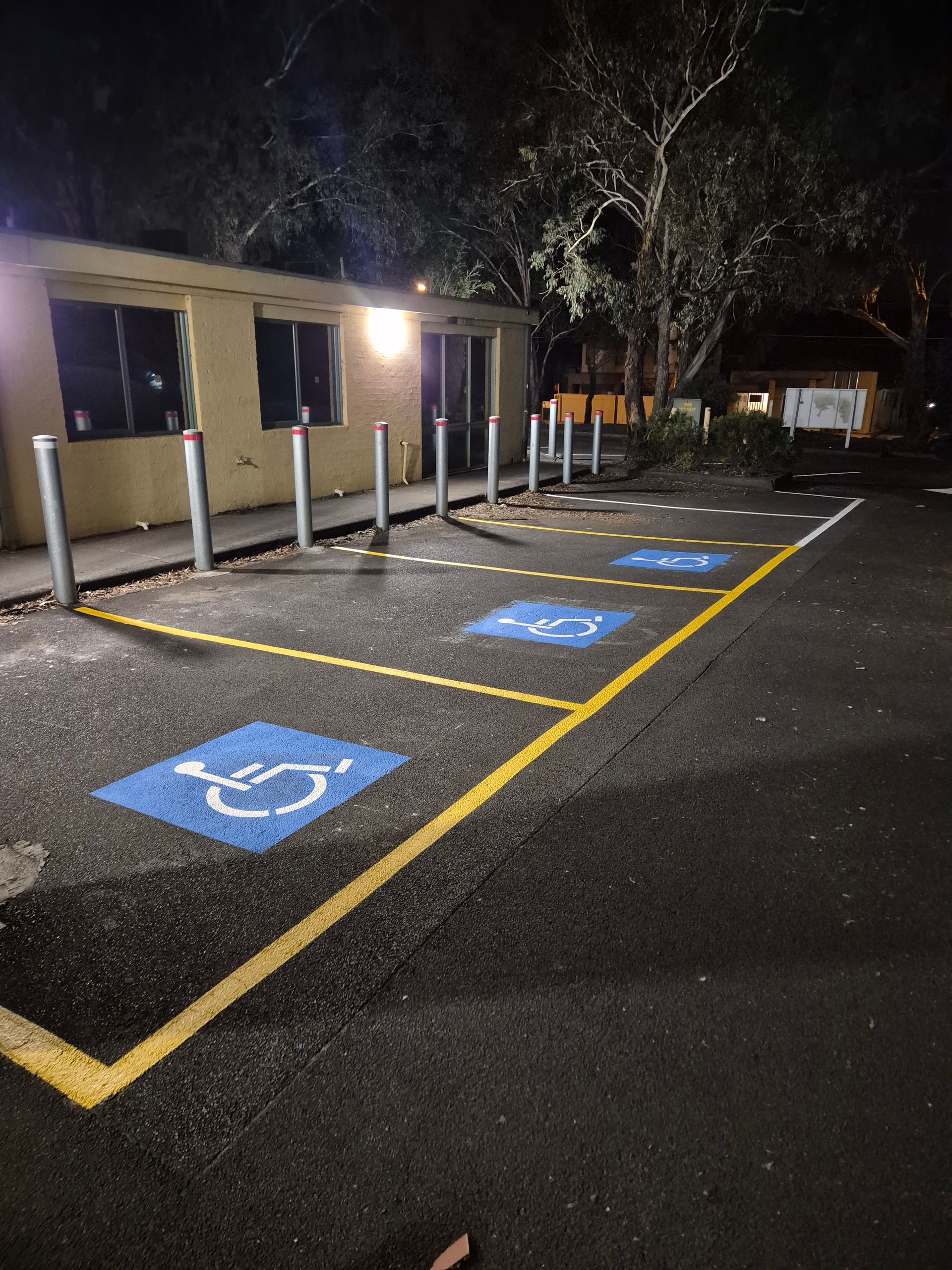
AS 2890.6 governs parking for people with disabilities, including the dimensions, marking, and colour specifications for accessible bays.
Important points from AS 2890.1:
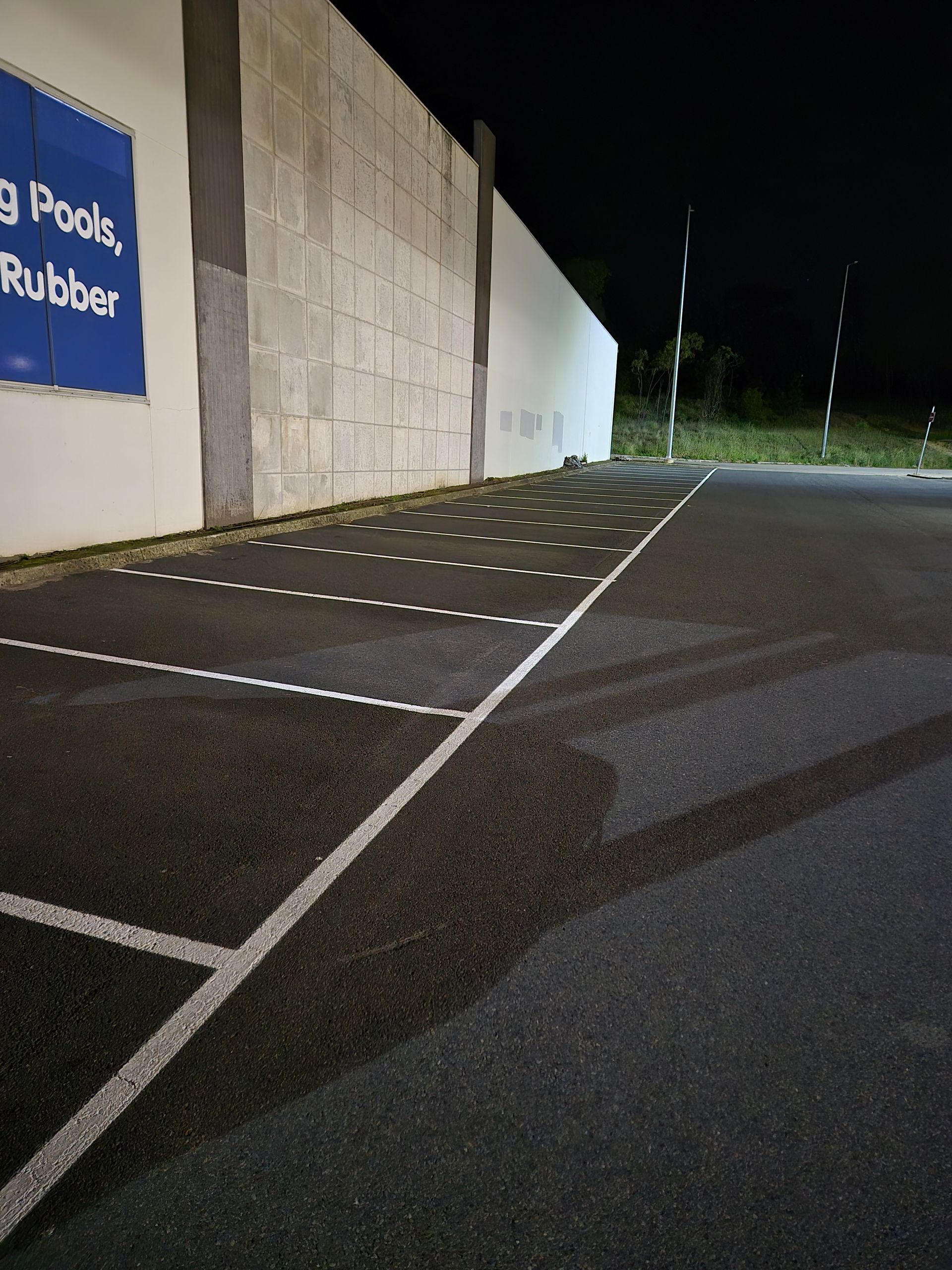
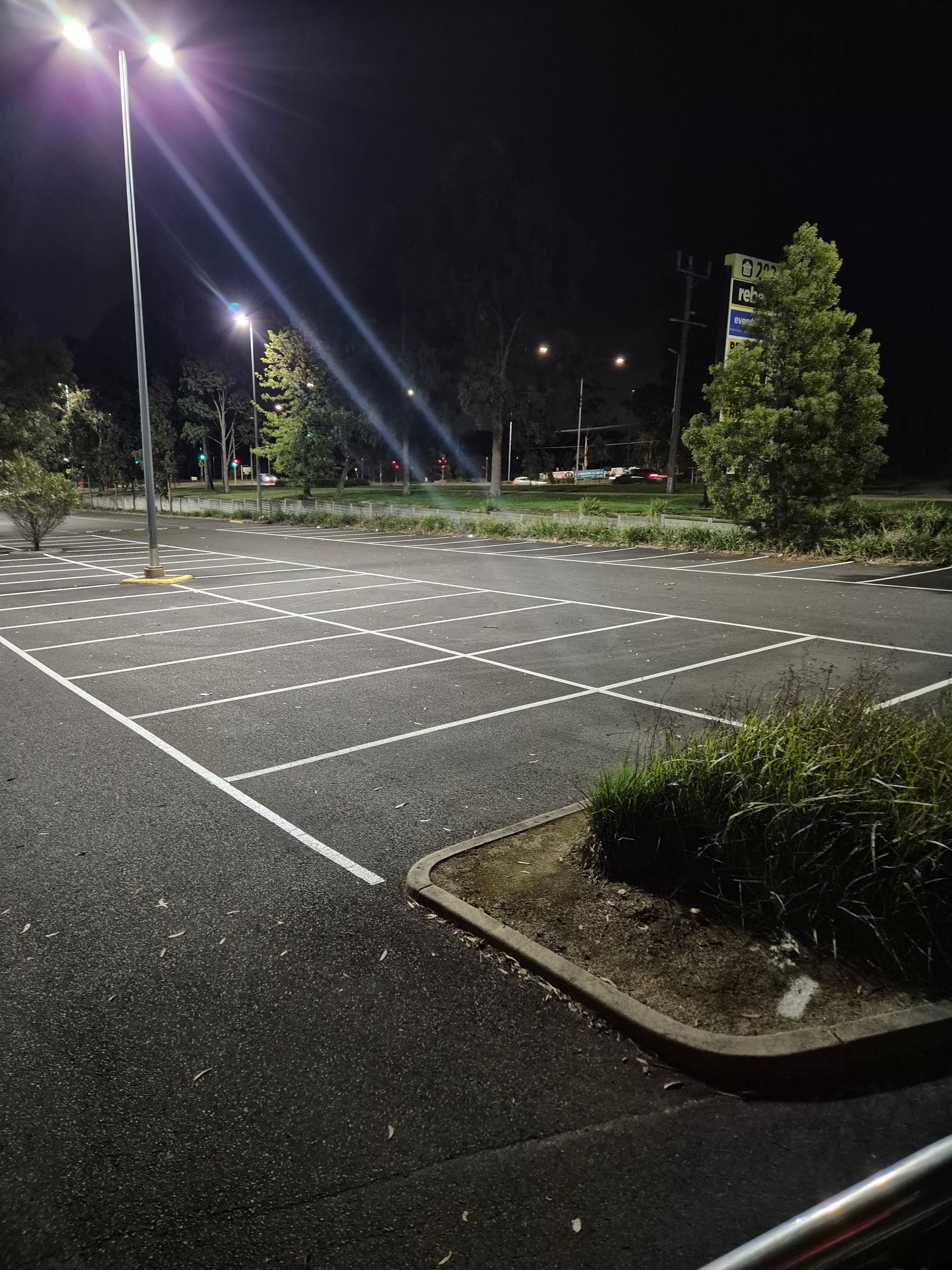
Parking space line markings should be between 80 mm and 100 mm wide.
Lines can be white or yellow, depending on the use (e.g., bay lines vs. restricted areas).
Raised pavement markers (if used) should be low-profile (not more than 3 mm) to prevent tripping hazards.
Sight lines for car visibility and pedestrian safety must meet specified minimums.
From AS 2890.6 (disability parking):
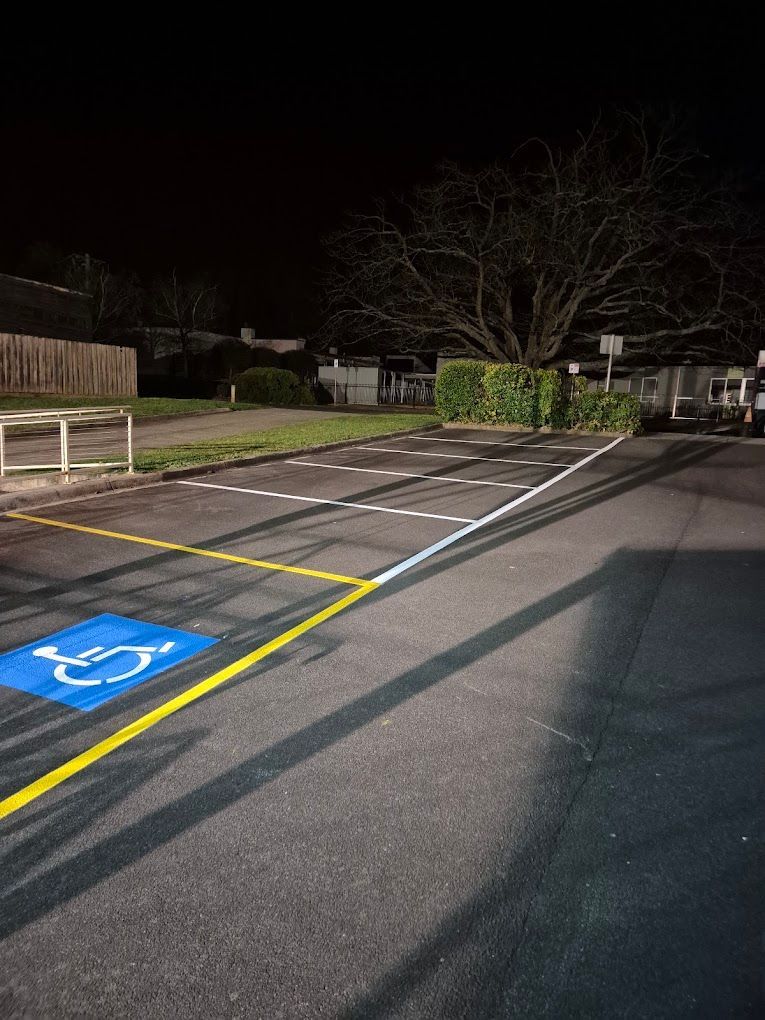
Accessible (disabled) parking spaces must be clearly marked with the International Symbol of Access.
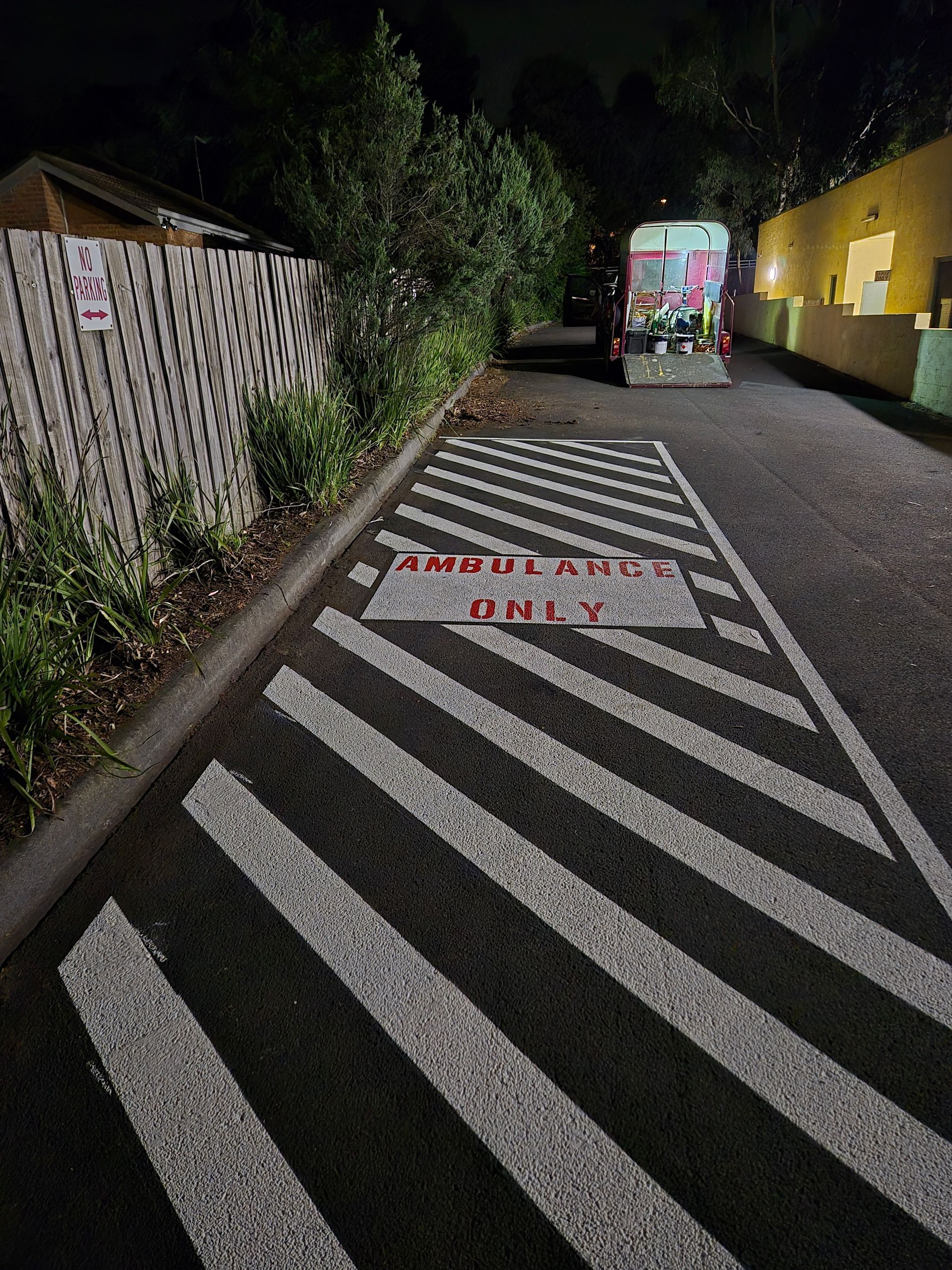
Shared access areas (adjacent to accessible bays) often need to be marked with hatched lines, typically in yellow, to allow wheelchair access.
The layout and size of accessible bays and shared areas must permit safe ingress and egress for mobility-impaired users.
2. Materials & Durability
Using the correct materials for line marking is critical:
High-build water-based traffic paint is commonly used for car park line marking.
In high-wear or high-traffic areas, more durable materials like thermoplastic or cold-applied plastic may be preferred.
Proper surface preparation is essential to ensure paint adheres and lasts — dust, grease, or a poorly prepared surface can cause early failure.
3. Local Considerations: Cardinia Shire Council
While there’s no detailed “line-marking code” for Cardinia, council documents and contracts specify standards:
Permanent linemarking must meet Council contract specifications.
Temporary pavement markings (during construction) must be clear, visible, and safe until permanent markings are applied.
The Council expects line-marking contractors to follow Australian Standards and ensure markings are long-lasting and compliant.
4. Safety & Accessibility in Line Marking
Meeting standards isn’t just about compliance — it’s about creating a safe and accessible environment. Key considerations include:
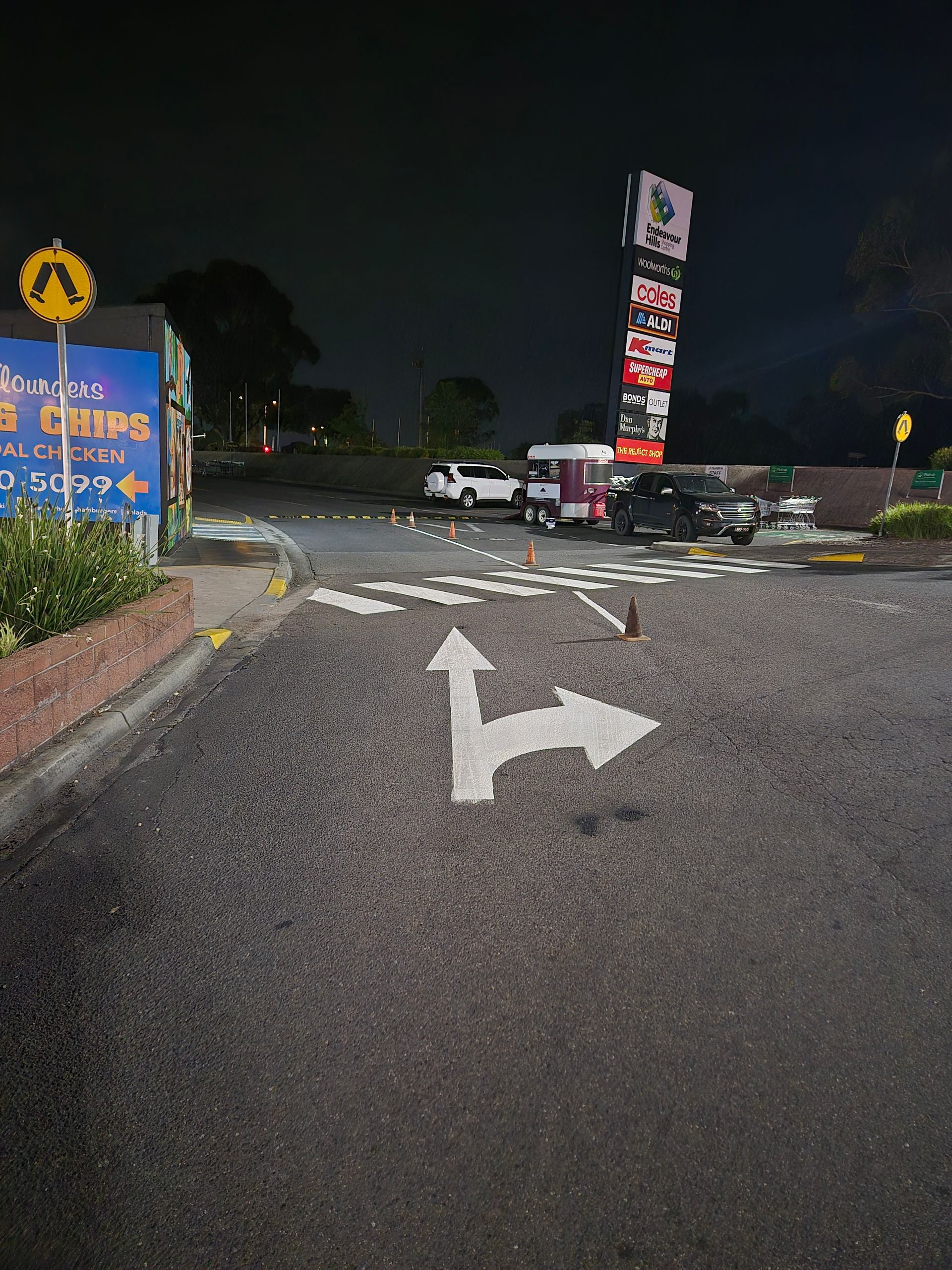
Pedestrian crosswalks/zebra crossings: Clearly marked and visible for safe crossing.
Accessible bays: Properly sized and marked, with hatched access zones for mobility devices.
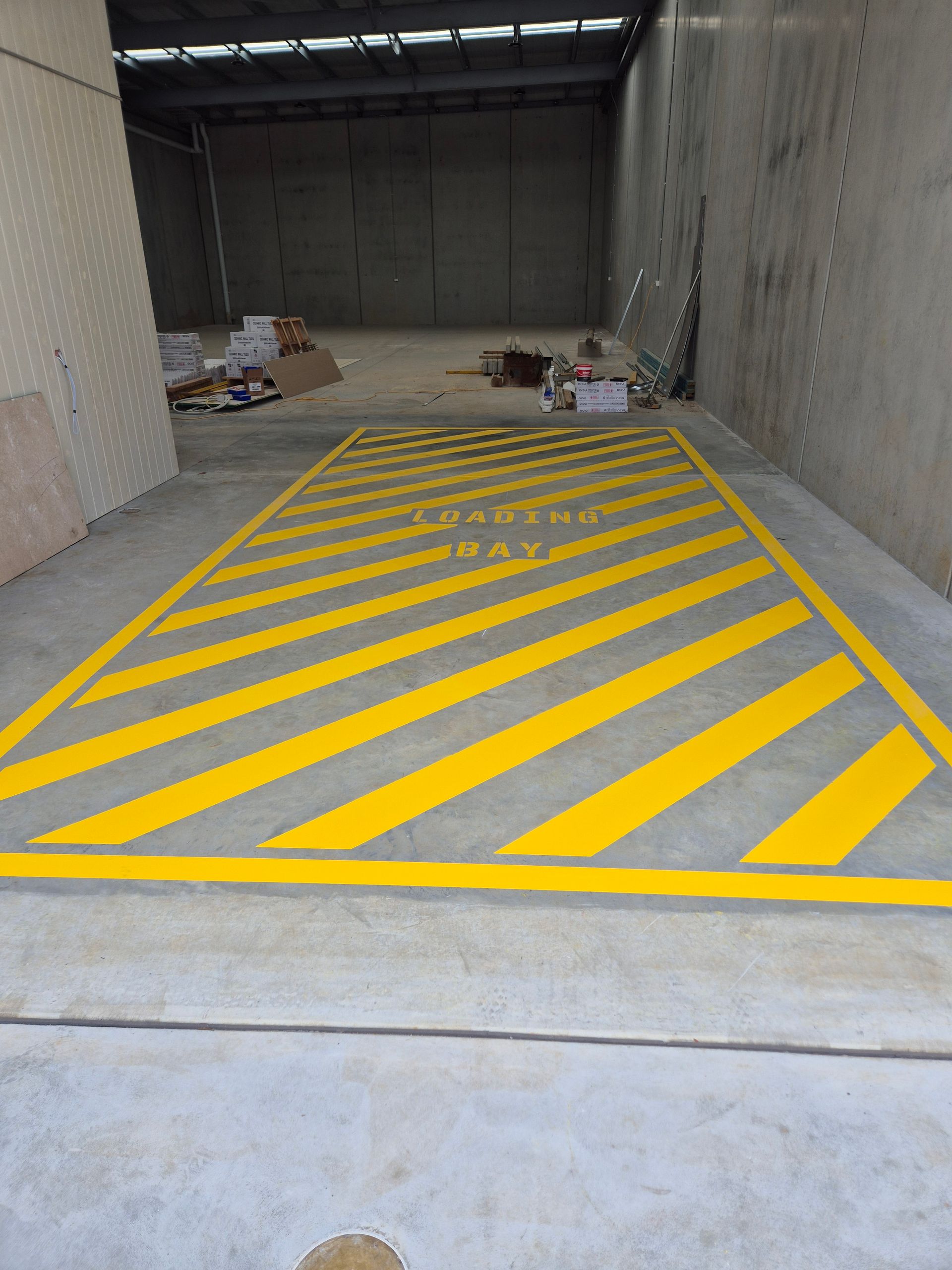
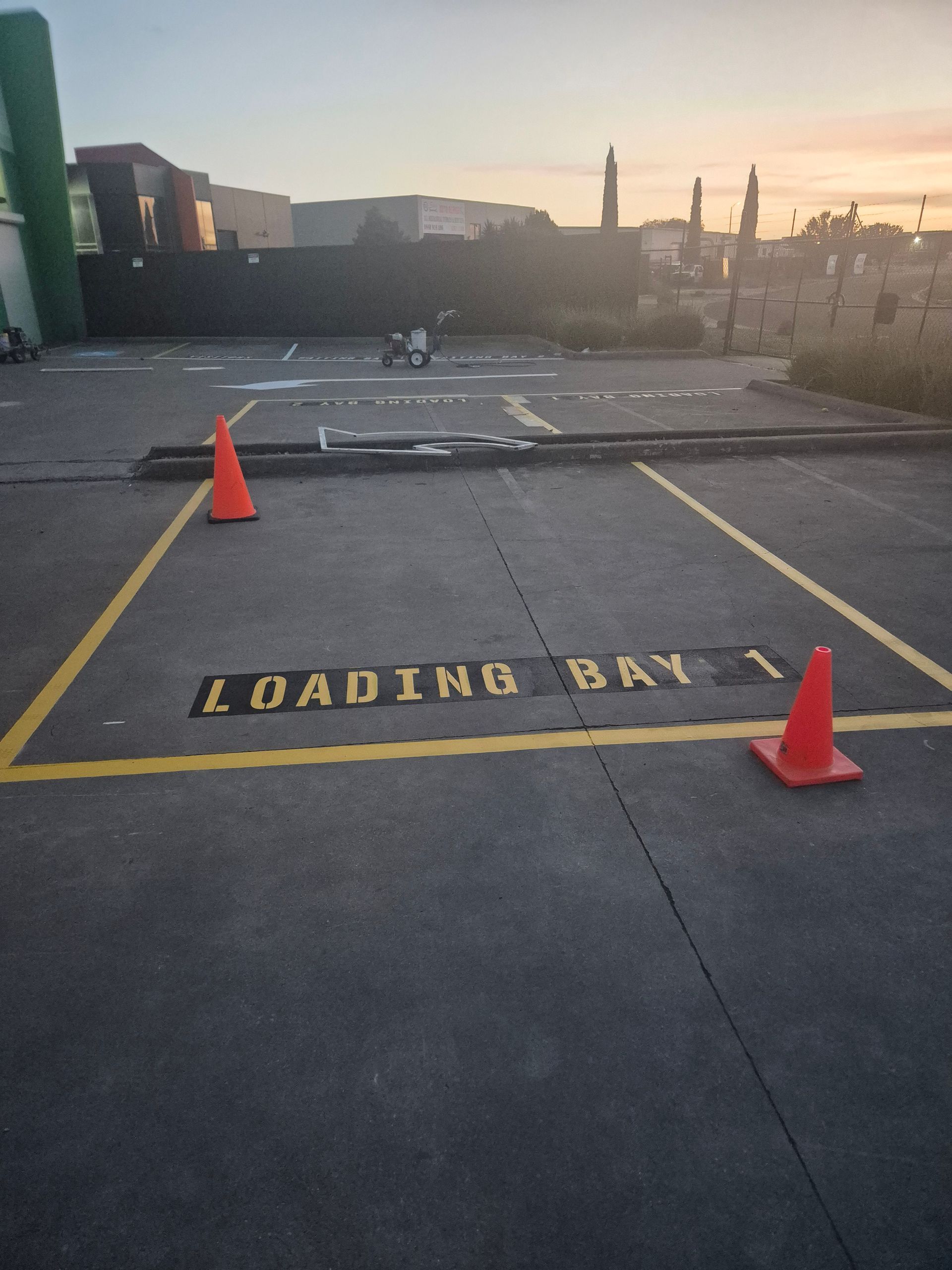
No-parking / restricted zones: Yellow lines to define areas where parking is not allowed, such as fire exits or loading zones.
Directional markings: Arrows, stop bars, and “give way” lines help manage vehicle flow and reduce collisions.
5. Maintenance & Inspection
Once line marking is in place, ongoing maintenance is essential:
Regular inspections: Check for fading, cracking, or damage, especially in high-traffic areas.
Re-marking cycles: Plan for re-lining every few years, depending on wear.
Use of high-quality paint: Long-life traffic paint helps prolong the life of markings and reduces maintenance frequency.